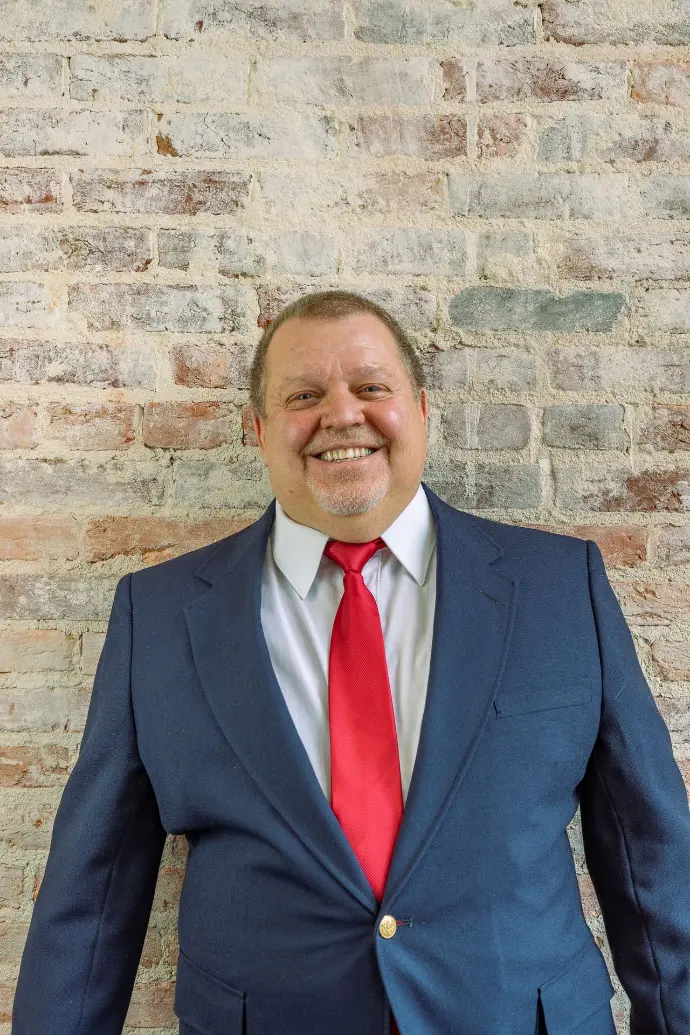
Dr Richard Macko, CSO
Richard Macko, Chief Scientific Officer, is a neurologist specializing in stroke, exercise rehabilitation, and robotics assisted neurorehabilitation. Following medical school at Ohio State and residency at UCLA, he received National Stroke Association Research Fellowships at University of Southern California (USC) investigating vascular inflammatory-prothrombotic mechanisms triggering stroke.
Convinced that exercise could improve vascular health, while facilitating locomotor learning, Dr. Macko graduated to University of Maryland School of Medicine, where he established a multidisciplinary research team developing models of task-oriented exercise after stroke. This research, supported in part by the NIH Functional Independence in Older Americans Center, refined exercise models as a mechanism to mediate activity dependent central and peripheral nervous system plasticity to improve health and functionality in persons with chronic mobility disability after stroke. Discoveries from this teams randomized studies provided seminal understandings that structured exercise after stroke improves: (a) cardiorespiratory fitness and reduces elevated energy demands of hemiparetic gait; (b) insulin sensitivity to reverse glucose intolerance and non-insulin dependent diabetes in 58% of cases; (c) bi-hemispheric brain blood flow, which may protect against stroke; (d) walking velocity and endurance, and; (e) cognitive function that may protect against dementia and prime the learning state.
This research led to his being awarded the Paul B. Magnuson National Veterans Affairs Award for pioneering task-oriented training, while his exercise dose-intensity research contributing to North American Practice recommendations on high intensity training subsequently led to his honorary appointment to American Physical Therapy Association. However, upon discovering that task-oriented locomotor training alone does little to improve gait biomechanics in chronic stroke, he began investigating human robotics cooperative learning to shape locomotor recovery. Collaborating with MIT, he founded the Veterans Maryland Exercise and Robotics Center of Excellence to investigate the independent and combined effects of task-oriented exercise and robotics for shaping functional sensorimotor recovery by mechanism of neuroplasticity. This led to a series of advances in robotics control systems and clinical trials showing that impedance control (assist-as needed) ankle robotics embedded in an adaptive control architecture can automatically adjust and precisely time robot assist-as-needed support across sub-events of the walking cycle.
These positive clinical trials showing that adaptive control robotics can durably improve the safety and efficiency of gait biomechanics, even years after a disabling stroke, led to formation of NextStep Robotics. Dr. Macko is the founding CSO and leader of neurorobotics development and testing. He and his wife, Charlene Macko, Neuromuscular Neurologist and Biomedical Engineer, CMO of NextStep Robotics, donate their time as Research Faculty at University of West Indies, SODECO (Solutions for Developing Countries) in Jamaica, and Fleni Neurological and Rehabilitation Institutes in Argentina. These endeavors extend pre-existing decades of collaboration to expand translational research and implementation of scalable exercise and robotics models to reduce the global burden of stroke and improve physical function, heart, and brain health for persons with neurological disability conditions.